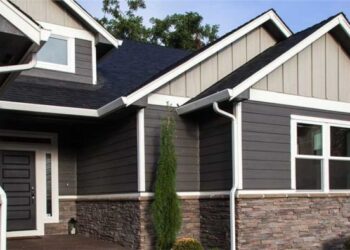
Exploring the world of siding options, this article delves into the pros and cons of vinyl, fiber cement, and wood materials, guiding you towards making an informed decision for your home.
Vinyl Siding
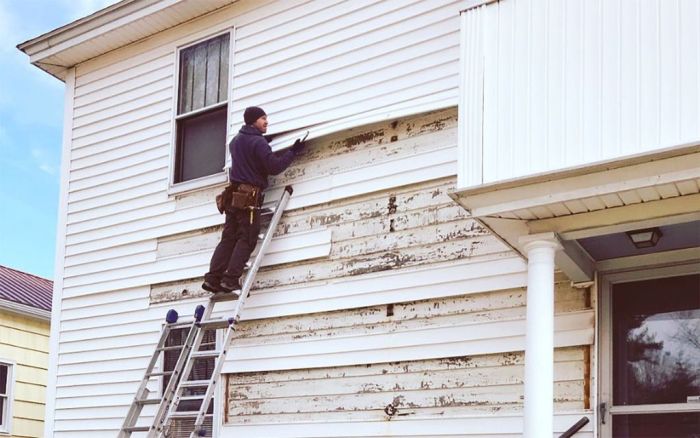
Vinyl siding is a popular choice among homeowners due to its affordability and low maintenance requirements. It is made from PVC (polyvinyl chloride) resin and comes in a variety of styles and colors to suit different aesthetic preferences.
Durability of Vinyl Siding
- Vinyl siding is known for its durability and resistance to harsh weather conditions such as wind, rain, and extreme temperatures.
- It does not rot, warp, or corrode like wood siding, making it a long-lasting option for your home.
Maintenance Requirements
- Vinyl siding is easy to maintain and only requires occasional cleaning with a hose and mild soap to remove dirt and debris.
- Unlike wood siding, vinyl does not need to be repainted or stained, saving you time and money on upkeep.
Color Options Available
- There is a wide range of color options available in vinyl siding, allowing homeowners to choose the perfect shade to complement their home's exterior.
- From traditional neutrals to bold, modern hues, vinyl siding offers versatility in design and customization.
Fiber Cement Siding
Fiber cement siding is a durable and versatile material made from a mixture of cement, sand, and cellulose fibers. This composition gives it the strength of cement with the flexibility of wood, making it a popular choice for homeowners looking for a low-maintenance siding option.
Cost Comparison
When compared to other siding materials like vinyl or wood, fiber cement siding falls somewhere in the middle in terms of cost. While it may be more expensive upfront than vinyl, it tends to be more cost-effective in the long run due to its durability and low maintenance requirements.
Installation Process
The installation process for fiber cement siding can be more labor-intensive compared to vinyl siding. It typically involves cutting the siding to size, securing it to the exterior of the home, and painting or sealing the material to protect it from the elements.
Due to its weight and composition, professional installation is often recommended to ensure proper installation and longevity of the siding.
Advantages in Weather Resistance
- Fiber cement siding is highly resistant to moisture, rot, and pests, making it ideal for areas with high humidity or frequent rain.
- It is also fire-resistant, providing an added layer of protection for your home in case of wildfires or other fire hazards.
- With proper installation and maintenance, fiber cement siding can withstand extreme weather conditions, including strong winds and hail, without warping or cracking.
Wood Siding
Wood siding is a popular choice among homeowners due to its timeless and natural aesthetic appeal. The warmth and beauty of wood can enhance the overall look of a home, giving it a classic and elegant appearance.Wood siding is considered to be more environmentally friendly compared to other siding materials such as vinyl or fiber cement.
Wood is a renewable resource, and if sourced responsibly, it can have a lower carbon footprint. However, it is essential to choose sustainably harvested wood to ensure the environmental impact is minimized
Maintenance Needed for Wood Siding
Wood siding requires regular maintenance to keep it in good condition. This includes painting or staining every few years to protect the wood from moisture, rot, and pests. Additionally, wood siding may need to be inspected for any signs of damage or wear and tear, such as cracks or warping, to prevent further issues.
- Regular painting or staining to protect the wood
- Inspection for damage and potential repairs
- Preventative measures to avoid moisture and pest damage
Types of Wood Used in Siding and Their Characteristics
There are several types of wood commonly used in siding, each with its own unique characteristics and benefits. Cedar, redwood, pine, and cypress are some of the popular choices for wood siding due to their durability and natural resistance to decay.
| Wood Type | Characteristics |
|---|---|
| Cedar | Resistant to decay and insects, lightweight, and easy to work with |
| Redwood | Naturally resistant to decay, durable, and has a rich color |
| Pine | Cost-effective, easy to find, but requires more maintenance |
| Cypress | Naturally resistant to decay and insects, durable, and has a unique grain pattern |
Choosing the Best Siding Company
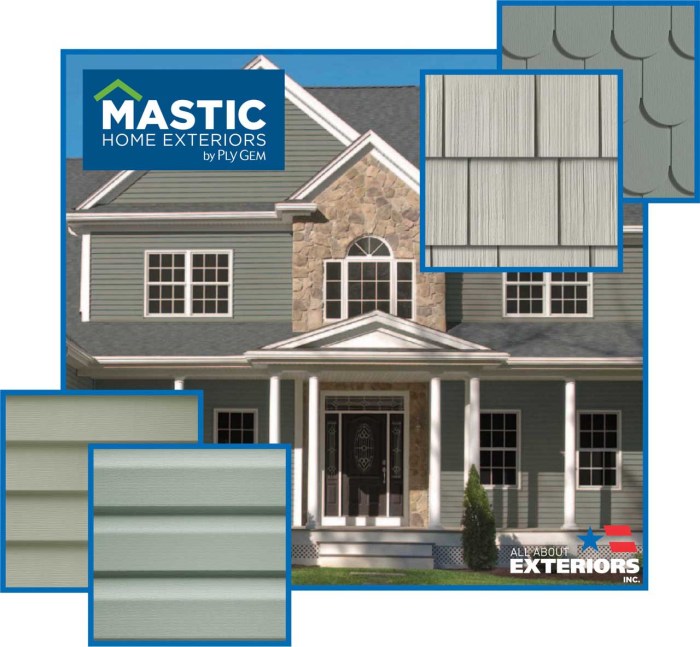
When it comes to selecting a siding company for your home, it's crucial to do your research and choose a reputable and reliable contractor. Here are some tips to help you in the process.
Research and Selection
- Start by asking for recommendations from friends, family, or neighbors who have recently had siding work done.
- Check online reviews and ratings on trusted websites to get an idea of the company's reputation and customer satisfaction.
- Look for siding companies with experience, proper certifications, and a good track record of completing projects on time and within budget.
Licenses and Insurance
- Verify that the siding company is licensed and insured to operate in your area. This will protect you in case of any accidents or damages during the project.
- Ask for proof of insurance and licensing before hiring a company to ensure they meet the necessary requirements.
Comparing Quotes
- Get multiple quotes from different siding companies to compare prices, materials, and services offered.
- Be wary of extremely low quotes as they may indicate subpar materials or workmanship. Look for a balance of quality and affordability.
Reading Reviews and Asking for References
- Read reviews from past customers to get an idea of the company's work quality and customer service.
- Ask the siding company for references or examples of past projects to see their work firsthand and verify their capabilities.
Summary
In conclusion, whether you opt for the durability of vinyl, the weather resistance of fiber cement, or the classic appeal of wood siding, choosing the best siding company near you is crucial for a successful home improvement project.
Helpful Answers
What are the maintenance requirements for fiber cement siding?
Maintenance for fiber cement siding involves periodic cleaning and inspections for any signs of damage or wear.
How do I choose the right type of wood for siding?
Consider factors like durability, aesthetic appeal, and cost when selecting the type of wood for your siding.
What should I look for when researching siding companies?
Look for companies with a good reputation, proper licenses, insurance, and positive customer reviews.