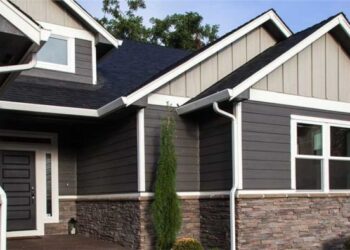
New Roofing and Siding Installation: Step-by-Step Homeowner Guide sets the stage for this enthralling narrative, offering readers a glimpse into a story that is rich in detail and brimming with originality from the outset.
The content delves into the importance of proper roofing and siding installation for homeowners, the benefits of having new roofing and siding, and how they can enhance the curb appeal of a home.
Introduction to New Roofing and Siding Installation
Proper roofing and siding installation are crucial for homeowners as they play a significant role in protecting the house from external elements such as rain, wind, snow, and sunlight. A well-installed roof and siding can prevent water leaks, mold growth, and energy loss, ensuring a safe and comfortable living environment.
Investing in new roofing and siding not only enhances the structural integrity of the house but also offers a range of benefits. Improved insulation can lead to energy savings by reducing heating and cooling costs. Additionally, new materials are more durable and require less maintenance, saving homeowners time and money in the long run.
Enhancing Curb Appeal
Aside from the functional advantages, new roofing and siding can also enhance the curb appeal of a home. A fresh and modern look can increase the overall value of the property and make a positive first impression on visitors or potential buyers.
Whether it's a classic shingle roof or sleek vinyl siding, the aesthetic appeal of new materials can transform the appearance of a house and elevate its visual appeal.
Planning for Roofing and Siding Installation
When preparing for roofing and siding installation, homeowners need to take several important factors into consideration to ensure a successful and smooth process.Choosing the right materials for your roofing and siding is crucial to the overall durability and aesthetic appeal of your home.
There are various materials available in the market, each with its own set of advantages and disadvantages. Some common options include asphalt shingles, metal roofing, vinyl siding, wood siding, and fiber cement siding. It is essential to research and consult with professionals to determine the best materials for your specific needs and budget.Selecting the appropriate color and style for your roofing and siding can significantly impact the curb appeal and overall look of your home.
The color should complement the architectural style of your house and blend well with the surroundings. Additionally, the style of roofing and siding should align with your personal preferences and the overall design aesthetic you wish to achieve.
Checklist for Roofing and Siding Installation
- Inspect the current condition of your roof and siding to identify any existing issues that need to be addressed before installation.
- Obtain necessary permits and approvals from local authorities to ensure compliance with building codes and regulations.
- Research and select a reputable roofing and siding contractor with experience in the specific materials you have chosen.
- Discuss the project timeline, budget, and any potential challenges with the contractor before the installation begins.
- Prepare your home for the installation process by removing any obstacles or belongings that may hinder the work.
- Communicate with your contractor throughout the installation process to address any concerns or changes that may arise.
Hiring a Contractor
When it comes to roofing and siding installation, hiring the right contractor is crucial to ensure a successful project. Here are some tips to help you find a reputable contractor and navigate the hiring process.
Finding a Reputable Contractor
One of the best ways to find a reputable roofing and siding contractor is to ask for recommendations from friends, family, or neighbors who have recently had similar work done. You can also search online for local contractors and read reviews from past customers to get an idea of their reputation.
Checking Licenses and Insurance
Before hiring a contractor, it is important to verify that they are properly licensed and insured. A legitimate contractor should be able to provide proof of their license and insurance, which will protect you in case of any accidents or damages during the project.
Obtaining Multiple Quotes
It is recommended to obtain multiple quotes from different contractors before making a decision. This will not only give you a better idea of the cost of the project but also allow you to compare the services and warranties offered by each contractor.
Be wary of any quotes that are significantly lower than others, as they may indicate subpar materials or workmanship.
Preparing for Installation
When preparing for roofing and siding installation, homeowners need to take several important steps to ensure a smooth process and successful outcome. This involves proper planning and compliance with regulations to avoid any delays or issues during the installation.
Permits and Regulations
Before starting the installation process, homeowners should check with their local authorities to determine if any permits are required for the roofing and siding project. Regulations may vary depending on the area, so it is crucial to be informed and obtain the necessary approvals before work begins.
- Research local building codes: Understand the specific regulations and requirements in your area related to roofing and siding installations. This may include restrictions on materials, height limitations, and setback requirements.
- Obtain permits: Once you have a clear understanding of the regulations, apply for any required permits from the local building department. Failure to obtain the necessary permits could result in fines or the halting of the project.
- Work with a licensed contractor: Ensure that the contractor you hire is licensed and knowledgeable about local building codes. They should be able to guide you through the permit process and ensure compliance with regulations.
Timeline Expectations
The timeline for roofing and siding installation can vary depending on various factors such as the size of the project, weather conditions, and the availability of materials. It is essential for homeowners to have realistic expectations about the timeline to avoid frustration or misunderstandings.
- Initial consultation: The process typically begins with an initial consultation with the contractor to discuss the scope of the project, materials to be used, and the estimated timeline for completion.
- Material delivery: Once the project details are finalized, the contractor will schedule the delivery of materials to the site. This step may impact the overall timeline, so it is crucial to coordinate this carefully.
- Installation process: The actual installation of the roofing and siding will take place according to the agreed-upon schedule. Weather conditions and any unforeseen issues may cause delays, but a reputable contractor will keep you informed throughout the process.
Roofing Installation Process

Installing a new roof is a crucial step in maintaining the integrity and safety of your home. Here, we will discuss the step-by-step process of installing a new roof, the common roofing materials used, and the importance of proper ventilation and insulation during the installation.
Step-by-Step Process of Roofing Installation
- Roof Inspection: The first step is to inspect the existing roof for any damage or issues that need to be addressed before installation.
- Remove Old Roofing: The old roofing material is removed carefully to prepare the surface for the new roof.
- Repair and Replace: Any damaged or rotten wood is repaired or replaced to ensure a solid foundation for the new roof.
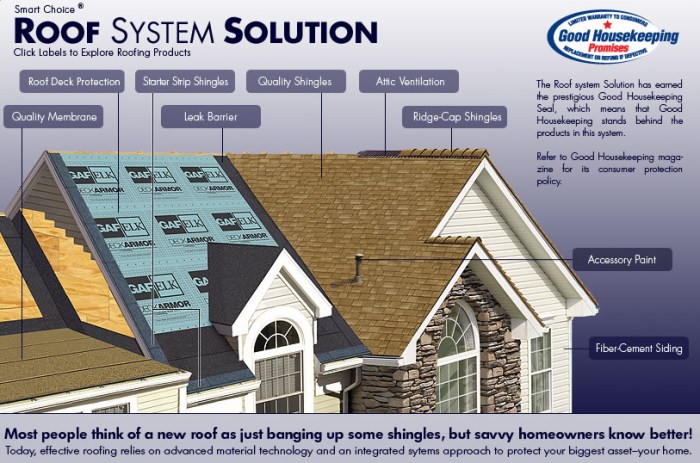
- Underlayment Installation: A waterproof underlayment is installed to protect the roof deck from moisture.
- Roofing Material Installation: The chosen roofing material, such as asphalt shingles, metal, or tile, is installed according to manufacturer guidelines.
- Flashings and Trim: Flashings are installed around roof protrusions, and trim is added for a finished look.
- Ventilation and Insulation: Proper ventilation and insulation are added to ensure energy efficiency and prevent moisture buildup.
- Final Inspection: A final inspection is conducted to ensure the roof is installed correctly and meets all safety standards.
Common Roofing Materials
There are several common roofing materials used for residential properties, including:
- Asphalt Shingles: Affordable and easy to install, asphalt shingles come in a variety of colors and styles.
- Metal Roofing: Durable and long-lasting, metal roofing is resistant to fire, rot, and pests.
- Tile Roofing: Known for its aesthetic appeal and longevity, tile roofing is a popular choice in areas with warm climates.
Importance of Proper Ventilation and Insulation
Proper ventilation and insulation play a crucial role in the longevity and efficiency of your roof. Here's why they are important:
- Prevents Moisture Buildup: Good ventilation helps prevent moisture buildup in the attic, which can lead to mold growth and wood rot.
- Energy Efficiency: Proper insulation keeps your home cool in the summer and warm in the winter, reducing energy costs.
- Prolongs Roof Lifespan: Adequate ventilation and insulation help extend the lifespan of your roof by preventing damage from heat and moisture.
Siding Installation Process
When it comes to installing new siding, there are several steps involved to ensure a successful outcome for your home. From choosing the right siding material to proper installation techniques, each phase of the process plays a crucial role in the overall quality and durability of your siding.
Types of Siding Materials
- Vinyl Siding: Vinyl siding is a popular choice due to its affordability, low maintenance requirements, and wide range of colors and styles.
- Wood Siding: Wood siding offers a natural and timeless look, but requires more maintenance to prevent rot, pests, and weather damage.
- Fiber Cement Siding: Fiber cement siding is a durable and low-maintenance option that mimics the look of wood but is resistant to fire, insects, and rot.
Siding Installation Steps
- Preparation: The existing siding is removed, and the exterior walls are inspected and repaired if necessary.
- Moisture Barrier Installation: A moisture barrier is installed to protect the home from water damage.
- Siding Panels Installation: Siding panels are carefully measured, cut, and installed according to the manufacturer's guidelines.
- Trim Installation: Trim pieces are added around windows, doors, and corners for a finished look.
- Sealing and Finishing: Gaps are sealed, and the siding is finished with paint or stain as needed for protection.
Maintaining and Caring for New Siding
- Clean Regularly: Use a gentle detergent and water to clean the siding surface and prevent dirt buildup.
- Inspect Annually: Check for signs of damage, moisture intrusion, or pests to address issues promptly.
- Repair as Needed: Replace damaged or loose siding panels to maintain the integrity of your home's exterior.
- Trim Trees and Bushes: Keep vegetation trimmed back from the siding to prevent damage from branches or leaves.
Conclusive Thoughts
In conclusion, the New Roofing and Siding Installation: Step-by-Step Homeowner Guide provides a comprehensive overview of the process, guiding homeowners through each step with clarity and insight. It's a valuable resource for those embarking on this home improvement journey.
Quick FAQs
What are the benefits of new roofing and siding installation for homeowners?
New roofing and siding can improve energy efficiency, increase property value, and enhance the aesthetic appeal of a home.
How can homeowners find a reputable roofing and siding contractor?
Homeowners can ask for recommendations, check online reviews, and verify licenses and insurance before hiring a contractor.
What are some common materials used for roofing and siding?
Common roofing materials include asphalt shingles, metal, and tile, while siding materials range from vinyl and wood to fiber cement.
How can homeowners maintain new siding after installation?
Regular cleaning, inspections for damage, and prompt repairs are key to maintaining the longevity and appearance of new siding.